Why Startups Fail During Mobile App Development
Before we dive into the mistakes, it's important to understand why many apps fail.
According to industry studies, the most common reasons include:
-
Poor product planning
-
Wrong technology choices
-
Ignoring user experience
-
Lack of market validation
-
Overcomplicated features
Avoiding these pitfalls can dramatically increase the chances of launching a successful mobile application.
1. Building an App Without Market Research
One of the biggest mistakes startups make is building an app based purely on an idea without validating the market demand.
Many founders assume their idea is unique, but in reality:
-
Competitors may already exist
-
The market may not need the product
-
The problem might not be significant enough
How to Avoid This
Before starting development:
-
Research competitors
-
Study user pain points
-
Analyze similar apps on Google Play and App Store
-
Validate the concept with potential users
Proper app market research can save months of development time.
2. Trying to Build Too Many Features at Once
Startups often try to launch with dozens of features, thinking it will make the app more attractive.
In reality, this causes:
-
Higher development costs
-
Longer launch timelines
-
More bugs and technical complexity
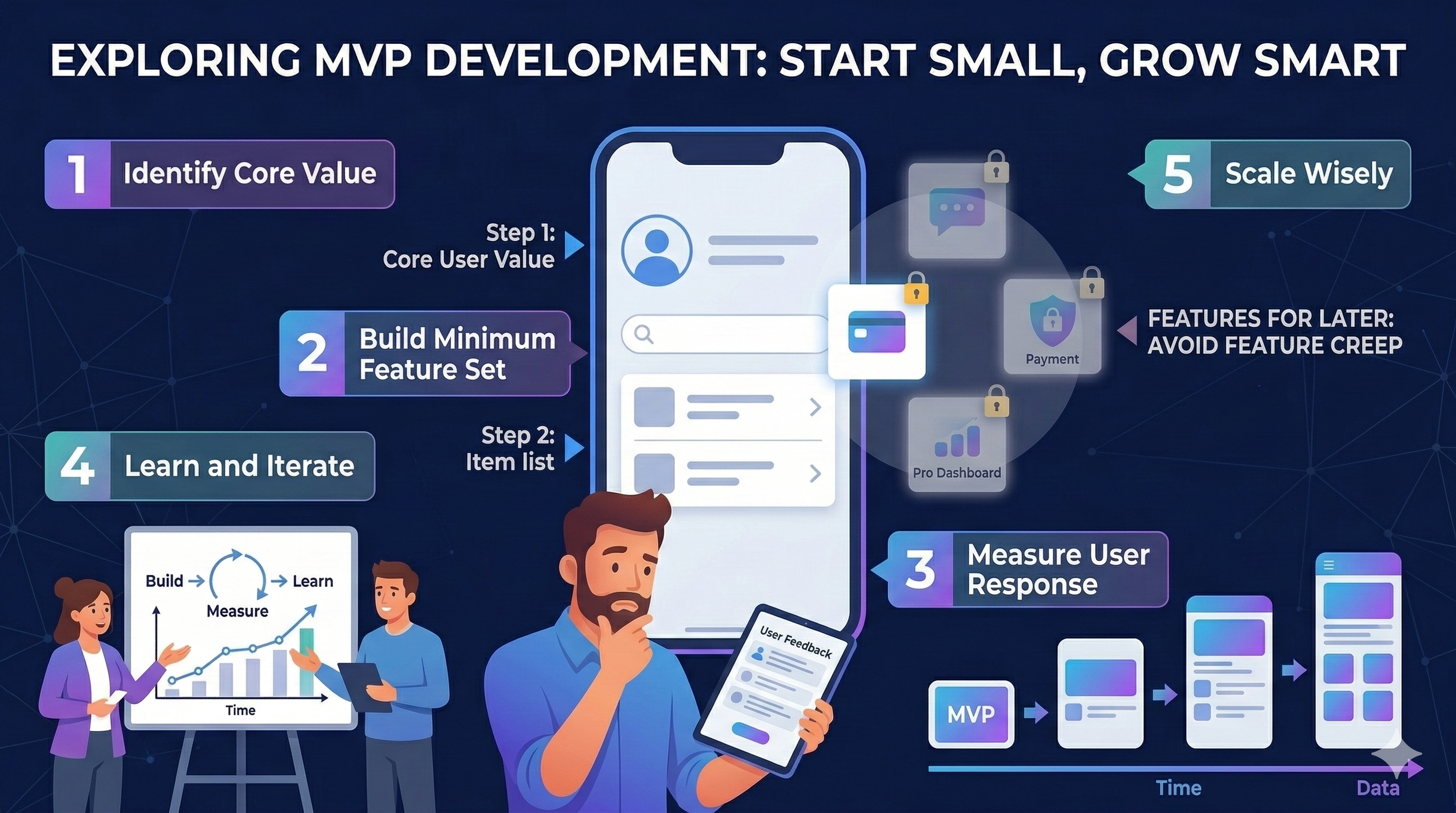
The Better Approach: MVP Development
Instead of building a full-featured product, focus on a Minimum Viable Product (MVP) that includes only the essential features.
Benefits of MVP development:
-
Faster launch
-
Lower cost
-
Real user feedback
-
Easier scalability
Many successful startups began with very simple versions of their apps.
3. Ignoring UI/UX Design
A powerful idea can still fail if the app has a poor user experience.
Users expect apps to be:
-
Fast
-
Simple
-
Visually appealing
-
Easy to navigate
Bad design leads to high uninstall rates.
Key UI/UX Best Practices
-
Keep interfaces simple
-
Use clear navigation
-
Optimize for mobile screens
-
Reduce unnecessary steps
Investing in professional UI/UX design greatly improves user retention.
4. Choosing the Wrong Technology Stack
The technology used to build your app affects performance, scalability, and cost.
Many startups choose technologies based on trends rather than project needs.
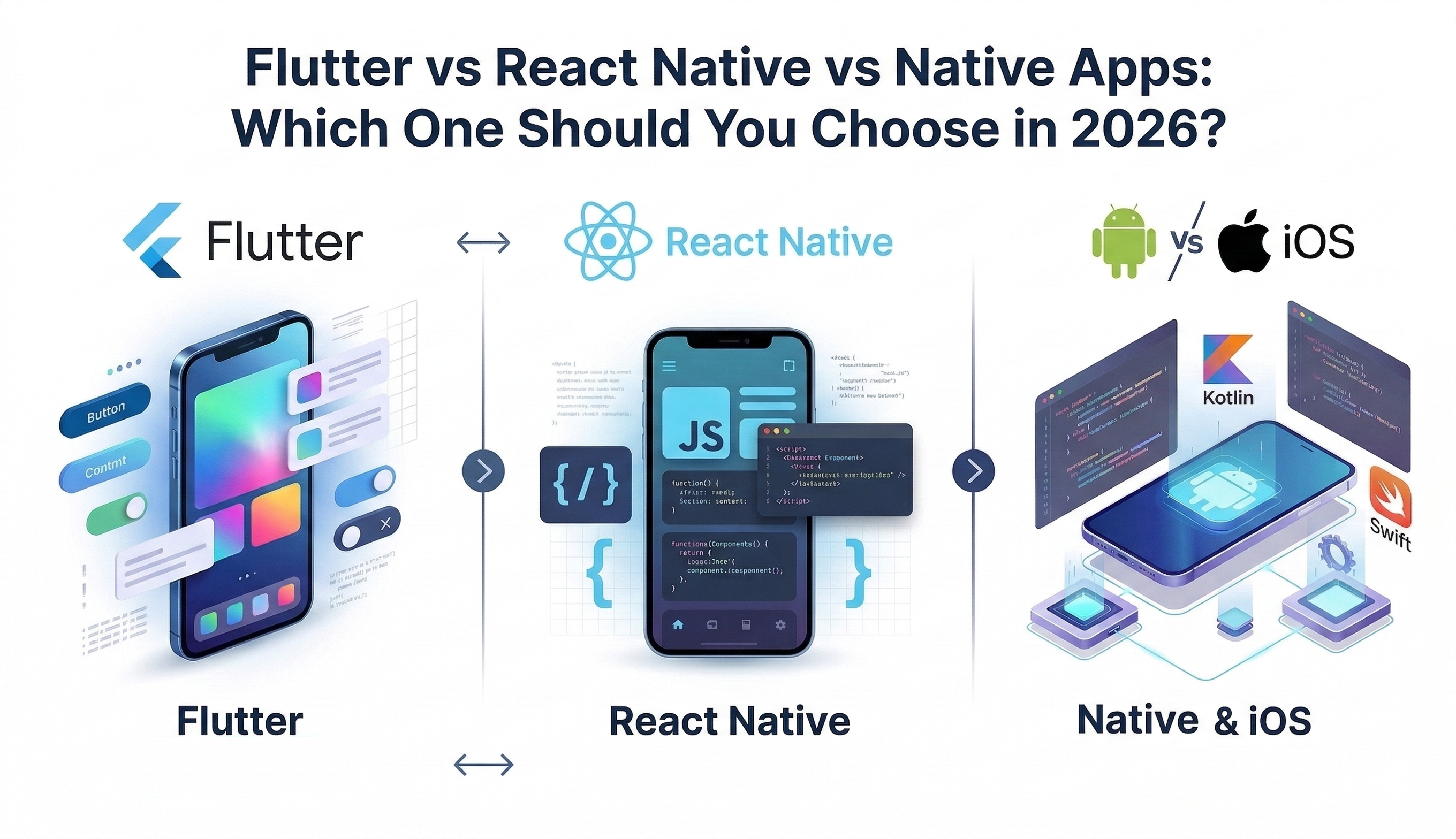
Popular development options include:
-
Flutter for cross-platform apps
-
React Native for JavaScript-based development
-
Native development for performance-heavy apps
Selecting the right mobile app development framework requires technical evaluation.
5. Not Planning for Scalability
Startups often build apps that work for the first few hundred users but fail when traffic grows.
Without scalable architecture, apps may experience:
-
Slow performance
-
Server crashes
-
Database issues
How to Build Scalable Apps
-
Use cloud infrastructure
-
Design flexible backend systems
-
Implement scalable APIs
-
Plan database growth early
Scalability planning prevents future rebuilds.
6. Ignoring Security
Security is frequently overlooked during early-stage development.
However, weak security can result in:
-
Data breaches
-
Loss of user trust
-
Legal consequences
Essential Mobile App Security Practices
-
Secure authentication systems
-
Encrypted data storage
-
Secure API communication
-
Regular security testing
Protecting user data should always be a priority.
7. Poor Communication With the Development Team
Many app projects fail because of unclear communication between founders and developers.
Common issues include:
-
Unclear feature requirements
-
Changing specifications
-
Lack of documentation
How to Improve Development Communication
-
Create detailed product documentation
-
Use wireframes and prototypes
-
Hold regular project reviews
-
Maintain clear feedback channels
Strong collaboration leads to better app development outcomes.
8. Skipping Proper Testing
Some startups rush to launch their app without proper testing.
This often leads to:
-
App crashes
-
Performance issues
-
Negative user reviews
Important Types of App Testing
-
Functional testing
-
Performance testing
-
Usability testing
-
Security testing
Thorough testing ensures a smooth launch experience.
9. Not Planning a Marketing Strategy
Even a great app can fail without proper marketing.
Many startups assume users will automatically discover their app.
Successful app launches include:
-
App Store Optimization (ASO)
-
Social media marketing
-
Influencer promotion
-
Paid advertising campaigns
Marketing should begin before the app launch, not after.
10. Choosing the Wrong Development Partner
Selecting the wrong development agency or freelancers can lead to serious problems such as:
-
Poor code quality
-
Missed deadlines
-
Budget overruns
What to Look for in an App Development Company
-
Proven portfolio
-
Transparent communication
-
Technical expertise
-
Post-launch support
Working with experienced developers increases the chances of building a successful app.
How Startups Can Successfully Build Their First Mobile App
To build a successful mobile app, startups should follow these steps:
-
Validate the idea through research
-
Start with an MVP
-
Focus on great UI/UX design
-
Choose the right development technology
-
Build scalable architecture
-
Prioritize security and testing
-
Plan marketing strategies early
Following these practices helps startups avoid common pitfalls in mobile app development.
Build Your Startup App with Madroidix
At Madroidix, we specialize in helping startups transform ideas into powerful mobile applications.
Our services include:
-
Mobile App Development
-
Flutter and Cross-Platform Apps
-
Startup MVP Development
-
UI/UX Design
-
App Testing and Optimization
Whether you're building your first product or scaling an existing platform, our team can help bring your vision to life.
If you're planning to build a mobile app, Madroidix can guide you through every stage of development.