What Is an MVP (Minimum Viable Product)?
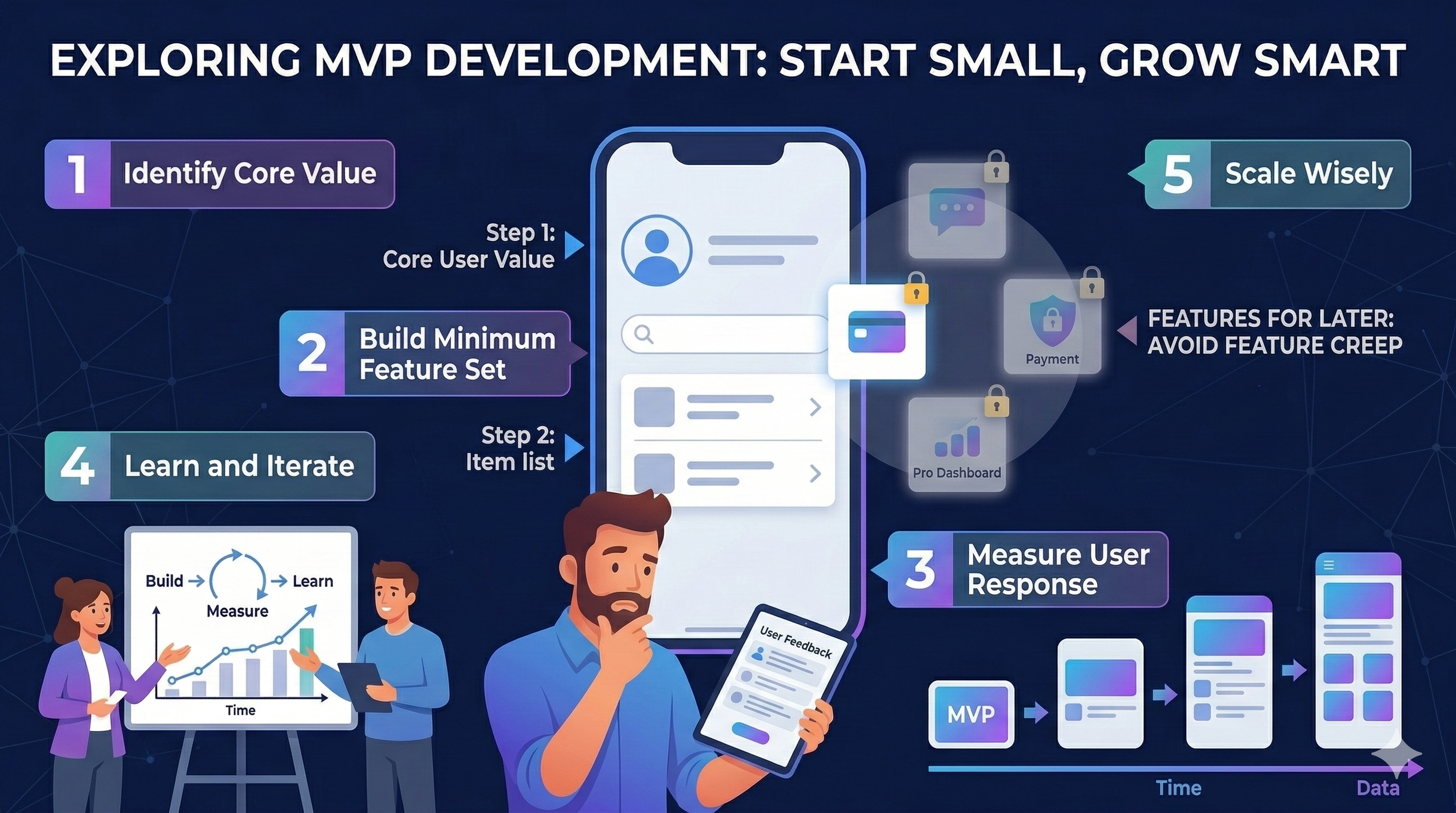
A Minimum Viable Product is the simplest version of a product that includes only the essential features required to solve a specific problem for users.
Instead of building a complete product immediately, startups release a basic version to:
-
Test the market demand
-
Gather user feedback
-
Reduce development risks
-
Launch faster
The goal of MVP development is learning, not perfection.
Why MVP Development Is Important for Startups
Startups often have limited budgets and time. Building a full product without validation can waste months of work and thousands of dollars.
Here are the main advantages of building an MVP:
Faster Product Launch
MVP development focuses only on essential features, allowing startups to launch within weeks instead of months.
Lower Development Costs
By avoiding unnecessary features, startups significantly reduce development expenses.
Real User Feedback
An MVP allows startups to collect valuable feedback from real users before scaling.
Reduced Risk
Testing the product early helps avoid building something the market doesn’t need.
Step-by-Step Guide to Build a Startup MVP in 30 Days
Below is a practical 30-day roadmap for MVP development used by many startup founders.
Week 1: Idea Validation and Market Research
The first step in building a successful MVP is validating the idea.
Before writing any code, founders must answer key questions:
-
What problem does the product solve?
-
Who are the target users?
-
Are there existing competitors?
Conduct Market Research
Analyze similar apps or products in your niche. Study their strengths and weaknesses to identify gaps in the market.
Define Your Target Audience
Clearly identify who will use your product:
-
Age group
-
Industry
-
Location
-
Pain points
Understanding your audience ensures the MVP solves a real problem.
Week 2: Define Core Features and Product Scope
One of the biggest mistakes startups make is including too many features in their first version.
The goal of an MVP is to focus only on core features that deliver the main value of the product.
Identify the Core Problem
List all potential features, then ask:
“Which feature directly solves the main problem?”
Remove everything else.
Example
For a ride-sharing app MVP, the core features might be:
-
User registration
-
Location tracking
-
Ride booking
-
Payment system
Additional features like loyalty programs or advanced analytics can be added later.
Week 3: UI/UX Design and Prototyping
Once the features are finalized, the next step is designing the product experience.
Good UI/UX design ensures the app is simple, intuitive, and user-friendly.
Create Wireframes
Wireframes are simple visual layouts that show how the app screens will look and function.
They help developers and founders understand:
-
Navigation flow
-
Screen structure
-
Feature placement
Build a Clickable Prototype
A prototype allows stakeholders to interact with the app before development begins. This helps identify usability issues early.
Tools commonly used include:
-
Figma
-
Adobe XD
-
Sketch
Week 4: MVP Development and Testing
Once the design is finalized, developers begin building the MVP.
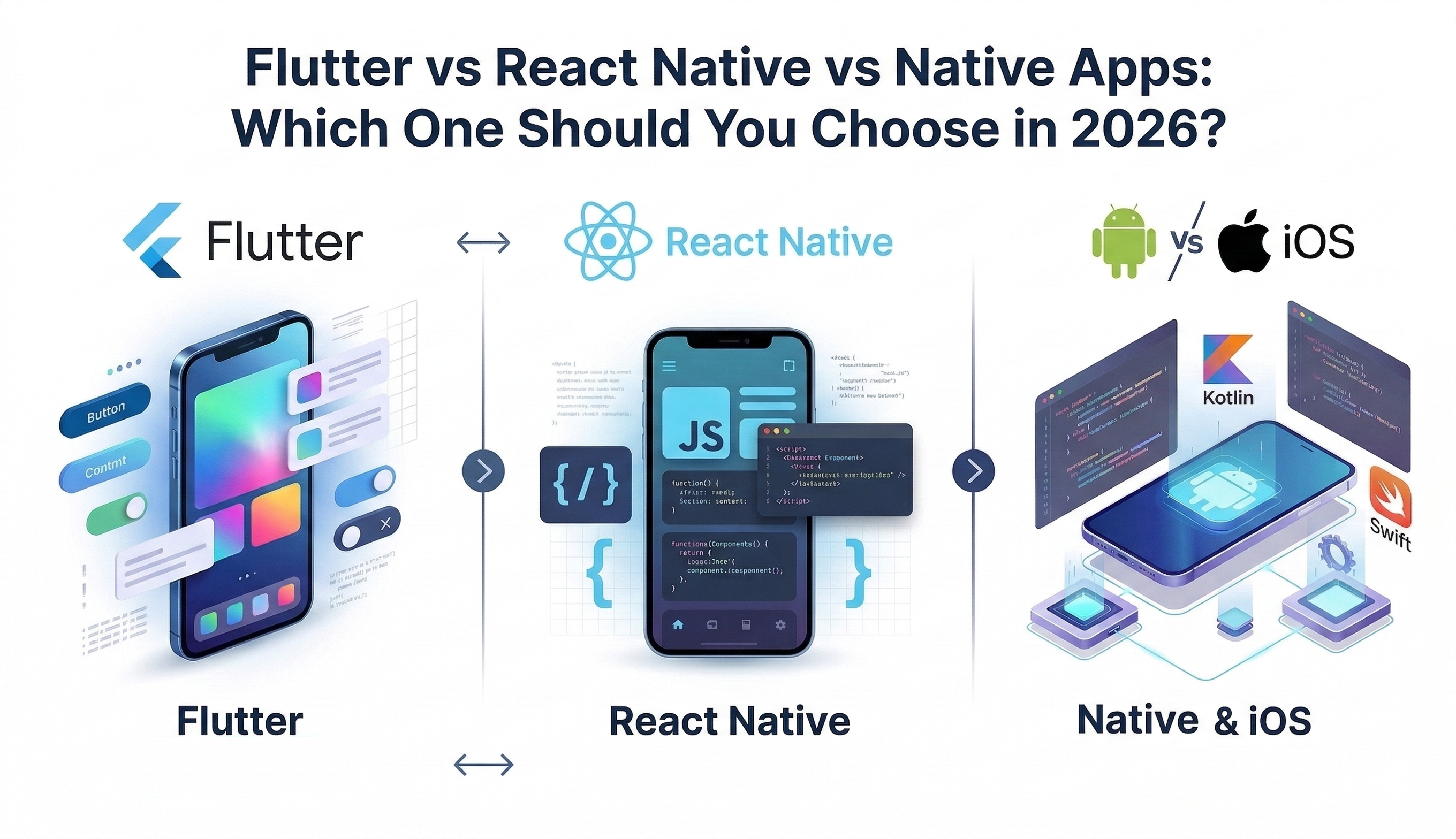
Depending on the project, startups may choose:
-
Flutter for cross-platform mobile apps
-
React Native for JavaScript-based development
-
Native development for performance-focused apps
Backend Development
The backend handles:
-
User authentication
-
Database management
-
API communication
Using cloud platforms like AWS or Firebase can accelerate development.
App Testing
Before launching the MVP, thorough testing is essential.
Testing includes:
-
Functional testing
-
Performance testing
-
Security testing
-
Usability testing
Fixing bugs before launch improves the overall user experience.
Launching Your MVP
After development and testing, the MVP is ready for launch.
Startups should release the product to a limited audience first. This helps gather feedback and monitor performance.
Key Metrics to Track
-
User engagement
-
Retention rate
-
Feature usage
-
Customer feedback
These insights help determine whether the product is ready for scaling.
How Much Does It Cost to Build an MVP?
The cost of building an MVP depends on several factors:
-
Number of features
-
Platform (Android, iOS, or both)
-
Design complexity
-
Development team location
On average, startup MVP development may range between:
-
$1,000 to $15,000 for simple apps
-
$15,000 to $30,000+ for complex platforms
However, focusing on essential features can significantly reduce costs.
Best Technologies for MVP Development
Choosing the right technology stack is important for speed and scalability.
Popular options for MVP development include:
Flutter
-
Cross-platform mobile development
-
Faster development time
-
Cost-effective for startups
React Native
-
Uses JavaScript
-
Large developer ecosystem
-
Good for simple to medium complexity apps
Native Development
-
Best performance
-
Ideal for complex applications
Each technology has its strengths depending on the startup’s goals.
Common Mistakes to Avoid When Building an MVP
Startups often make several mistakes during MVP development:
-
Building too many features
-
Ignoring user feedback
-
Poor UI/UX design
-
Skipping testing
-
Choosing the wrong development partner
Avoiding these mistakes increases the chances of building a successful product.
Build Your Startup MVP with Madroidix
At Madroidix, we help startups turn innovative ideas into scalable digital products.
Our team specializes in:
-
MVP development for startups
-
Mobile app development
-
Cross-platform apps using Flutter and React Native
-
UI/UX design
-
Product scaling and optimization
If you're planning to launch a startup product, Madroidix can help you build a high-quality MVP quickly and efficiently.
Contact us today to start building your MVP and bring your startup idea to life.
SEO Keywords Used
Primary keywords:
-
build MVP for startup
-
MVP development guide
-
startup MVP development
-
how to build MVP
Secondary keywords:
-
minimum viable product
-
mobile app development for startups
-
MVP app development
-
startup product development